صفحه اصلی / اخبار / اخبار صنعت / مغازه های لباسشویی در واقع آنقدرها هم پیچیده نیستند - شما فقط چند جزئیات را از دست داده اید.


زبان

Kingstar is your trusted partner for industrial and commercial laundry equipment. We specialized in the R&D and manufacturing of high-end industrial washers, commercial washers and dryers. Meanwhile, we provide global clients with comprehensive planning, layout workflow design, and software-hardware integration services for smart laundry plants.
اخبار صنعت
Aug 20,2026
مغازه های لباسشویی در واقع آنقدرها هم پیچیده نیستند - شما فقط چند جزئیات را از دست داده اید.
در اینجا یک راهنمای عملی برای خشکشویی های سلف سرویس آورده شده است: چگونه یک لباسشویی سلف سرویس خوب انتخاب کنیم، قبل از شستن لباس چه آماده سازی هایی باید انجام دهیم و چگونه از تجهیزات به درستی استفاده کنیم. این مقاله از تفکر متعارف صاحب کسب و کار رهایی مییابد، عملیات فروشگاه را از دیدگاه مشتری بررسی میکند، و به سرمایهگذاران خشکشویی سلفسرویس اجازه میدهد تا به وضوح نکات کلیدی اصلی عملیات را درک کنند.
استفاده از ماشین لباسشویی لباسشویی به چهار چیز مربوط می شود: قبل از خروج از خانه، لباس های خود را بر اساس وزن و پارچه مرتب کنید، ماشینی را به اندازه بار خود انتخاب کنید تا نزدیکترین ماشین خالی، دمای آب را بر اساس نوع پارچه انتخاب کنید تا عادت، و بار خود را در لحظه ای که چرخش متوقف شد به خشک کن منتقل کنید. هر یک از این مراحل را نادیده بگیرید، یا پولتان را در یک چرخه نیمه خالی هدر خواهید داد یا در نهایت چیزی را که تمیز بیرون نیامده است، بشویید. همه چیز دیگر - آداب معاشرت، تا کردن، تنظیمات خشک کن - بر اساس درست کردن این چهار مورد است.
01 قبل از اینکه خانه را ترک کنید چه چیزهایی را بسته بندی کنید
یک سفر خشن به خشکشویی تقریباً همیشه از خانه شروع می شود، نه در محل. فراموش کردن مواد شوینده به معنای پرداخت نشانه گذاری در لباسشویی برای یک جعبه کوچک است. فراموش کردن ربع به این معنی است که در حالی که همسایهتان آخرین واشر باز را میگیرد، پشت ماشین تعویض بایستید. یک بسته پنج دقیقه ای از هر دو جلوگیری می کند.
| مورد | چرا اهمیت دارد |
| پرداخت - پول نقد، کارت یا برنامه | برخی از مکانها هنوز ماشینهای سکهای را اجرا میکنند. حمل هر دو از گیر افتادن جلوگیری می کند |
| مواد شوینده (غلاف ترجیحی) | بدون اندازه گیری، بدون ریختن، و شما کنترل می کنید که چه چیزی واقعاً لباس شما را لمس می کند |
| کیسه های مشبک برای مواد ظریف | از گیر کردن پارچه نازک بر روی زیپ یا درز درز در طول چرخه چرخش جلوگیری می کند. |
| کیف ها را بر اساس دسته بندی جدا کنید | از پیش مرتب سازی در خانه بارگیری ماشین ها را به یک کار دو دقیقه ای تبدیل می کند نه ده دقیقه |
| چوب یا خودکار لکه دار | لکههای تازهای که قبل از شستشو گیر میکنند، بسیار راحتتر از لکههایی که بعداً توسط گرما ایجاد میشوند، بیرون میآیند |
02 ادعای فضا و انجام بررسی ماشین دو ثانیه ای
وارد شوید، یک میز تاشو یا یک پیشخوان باز پیدا کنید و چمدانهایتان را بچینید – این پایه شما برای یک ساعت آینده است. قبل از بارگیری هر چیزی، درب ماشین لباسشویی را باز کنید و سریع بو کنید. بی اهمیت به نظر می رسد، اما دستگاهی که به تازگی بار سنگین سفید کننده شخصی را تمام کرده یا یک ژاکت اشباع شده از دود می تواند بویی را از خود به جا بگذارد که مستقیماً به لباس تمیز شما منتقل شود. ده ثانیه بررسی، کل شستشو را ذخیره می کند.
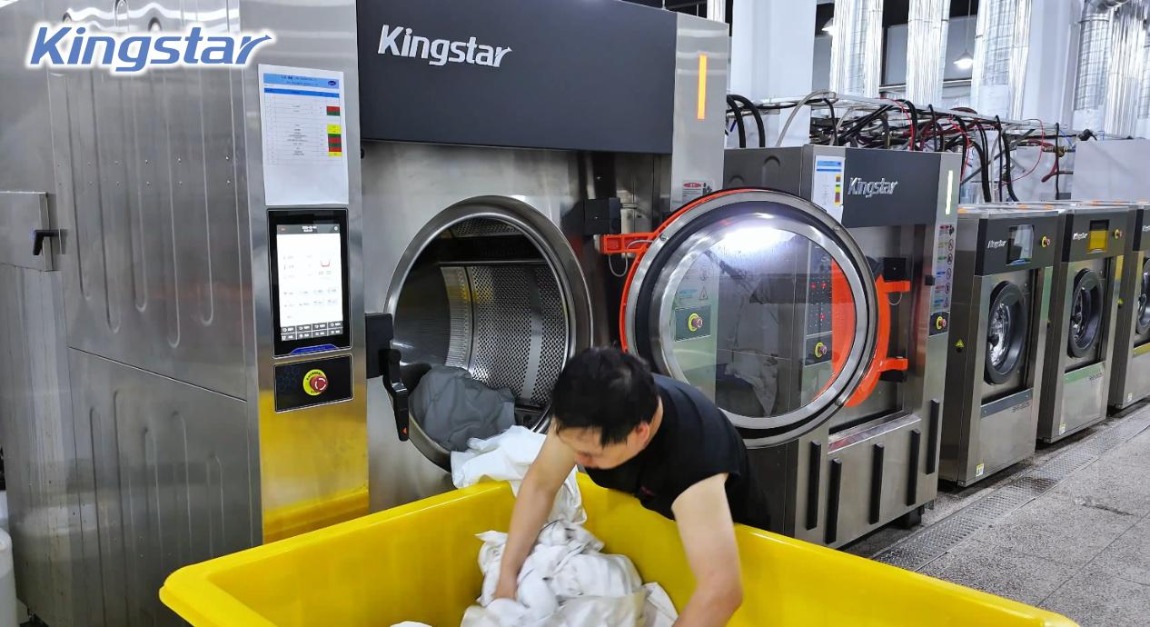
20-30٪ هنگامی که بارها قبل از شستشو به درستی تنظیم شده باشند، هزینه آب و انرژی کمتر در هر بازدید
03 مرتب سازی که فراتر از نور و تاریکی است
اکثر مردم یاد گرفتند که رنگ سفید را از رنگ جدا کنند و در آنجا متوقف شدند. این یک شروع است، نه خط پایان. گروه بندی بر اساس وزن پارچه به همان اندازه اهمیت دارد، زیرا باری که حوله های سنگین را با یک بلوز نازک مخلوط می کند به این معنی است که یکی از اقلام خشک می شود در حالی که بیست دقیقه بعد هنوز مرطوب است.
- نور و سفید: تی شرت، لباس زیر، جوراب - اصولی که می توانند آب گرمتر را بدون محو شدن اداره کنند.
- تیره و رنگ: شلوار جین و هر چیزی که به وضوح رنگ شده است. آب سرد از دست دادن رنگ را به حداقل می رساند.
- ظرافت ها: توری، ابریشم، بافتنی های نازک - اینها در یک کیسه توری در یک چرخه ملایم و کامل قرار دارند.
- اقلام سنگین: حوله، ملافه، هودی - اینها آب بیشتری جذب می کنند و برای تمیز شدن به چرخه قوی تری نیاز دارند.
قبل از حمل هر چیزی، از جیب ها، زیپ ها و دکمه ها عبور کنید. یک خودکار فراموش شده کل بار را خراب می کند. یک زیپ باز روی هر چیزی که در این نزدیکی هست گیر می کند. یک پیراهن دکمه دار در حین هم زدن، سوراخ دکمه های خود را صاف می کند. هیچکدام از اینها بیش از یک دقیقه طول نمیکشد، و همه اینها از یک غافلگیری بد سی دقیقه بعد از یک چرخه جلوگیری میکند.
04 نحوه استفاده از ماشین لباسشویی گام به گام
هنگامی که مرتبسازی انجام شد، در واقع راهاندازی دستگاه سادهترین بخش است - به شرطی که ابتدا بار را با واحد اندازه مناسب مطابقت دهید.
- ماشینی را انتخاب کنید که اندازه آن نزدیک به بار باشد - پر کردن درام به اندازه سه چهارم باعث می شود لباس ها جا بیفتند و آب به همه وسایل برسد.
- لباسها را بهجای بستهبندی، آزادانه بار کنید. طبلی که خیلی سفت است نمی تواند به درستی تکان بخورد و صابون به پارچه مدفون در وسط نمی رسد.
- مواد شوینده را به سینی پخش کننده اضافه کنید، نه مستقیماً روی لباس، مگر اینکه دستگاه به طور خاص آن را بخواهد.
- دمای آب را بر اساس نوع پارچه انتخاب کنید، نه عادت - به تفکیک زیر مراجعه کنید.
- چرخه را شروع کنید و زمان پایان را یادداشت کنید تا قبل از پایان آن برگردید، نه بعد از اینکه شخص دیگری لباس های خیس شما را برای شما جابجا کرد.
| اندازه بار | اندازه ماشین معمولی | بهترین مناسب برای |
| 10-15 پوند | تاپ لودر کوچک یا لودر جلویی جمع و جور | چند لباس، یک هفته ظریف |
| 20-30 پوند | لودر از جلو استاندارد | یک مانع کامل از لباس های روزمره |
| 40 پوند به بالا | لودر جلو با ظرفیت بالا | وسایل راحتی، کیسه خواب، بارهای خانوادگی |
05 دمای آب و تنظیمات چرخه، رمزگشایی شده است
یک پانل ماشین با شش دکمه و سه شماره گیری ترسناک تر از آنچه هست به نظر می رسد. آب گرم، معمولاً در حدود 130 درجه فارنهایت، خاک بیشتری را از روی سفیدها، حولهها و ملافهها جدا میکند و با ضدعفونی کردن همزمان، وظیفه مضاعف را انجام میدهد. آب سرد پیش فرض ایمن تر برای هر چیزی با رنگ یا کش است، زیرا گرما باعث محو شدن و چروکیدگی می شود. اغلب ماشینهای لباسشویی مدرن نسبت به ماشینهای خانگی قدیمیتر آب کمتری را در هر چرخه مصرف میکنند، که ارزش آن را دارد که بدانید آیا هزینه هر بار در تصمیمگیری شما در مورد مکان استفاده نقش دارد یا خیر.
06 خشک کن های تک در مقابل خشک کن های دو پشته: آنچه در واقع تغییر می کند
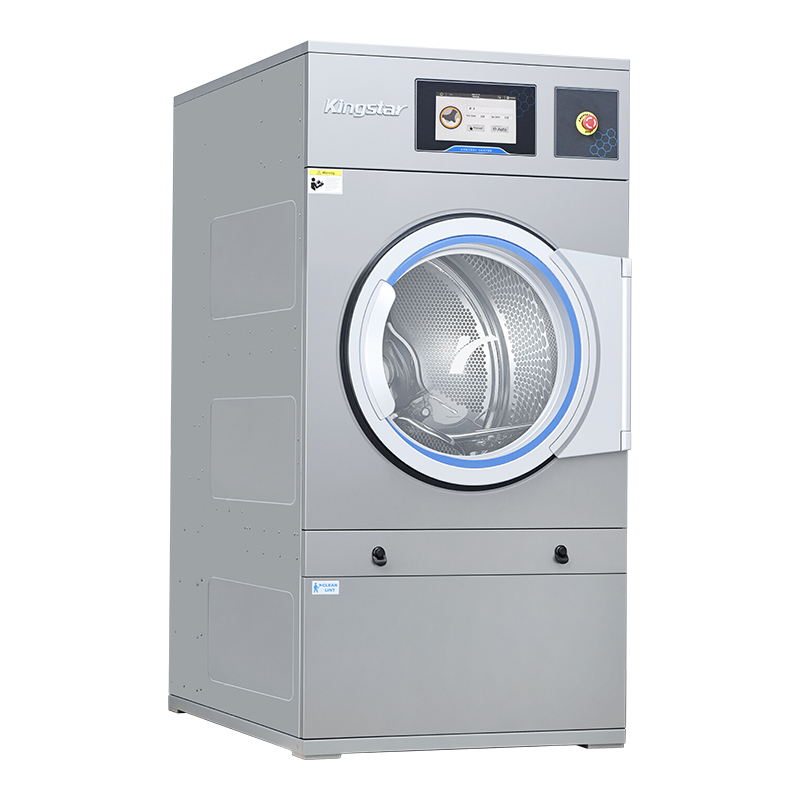
پس از اتمام شستشو، خشککنی که انتخاب میکنید به همان اندازه که ماشین لباسشویی روی جدول زمانی شما تأثیر میگذارد. الف خشک کن دو پشته دو جیب خشک کن مجزا را در یک کابینت نگه می دارد که هر کدام دارای کنترل های مخصوص به خود هستند و یک خط گاز و اتصال اگزوز مشترک دارند. از نظر عملکردی، این بدان معناست که دو بار می توانند همزمان با تنظیمات حرارتی مختلف و تایمرهای مختلف کار کنند، دقیقاً در همان ردپایی که یک خشک کن بزرگ اشغال می کند.
| ویژگی | خشک کن استاندارد | خشک کن دو پشته |
| تعداد بارهای مستقل در یک بار | یکی | دو، هر کدام در تایمر و تنظیم حرارت خود را |
| فضای کف مورد نیاز برای دو بار | دو رد پای ماشین کامل | یکی machine footprint |
| طول چرخه معمولی | 20 تا 60 دقیقه بسته به پارچه و بار | همان محدوده در هر جیب، به طور مستقل اجرا می شود |
| بهترین تناسب | تک بار بزرگ یا حجیم (تسلی دهنده، کیسه خواب) | دو بار مخلوط - مثلاً حوله در یک جیب، لباس های روزمره در جیب دیگر |
برای خریدارانی که دو بار با نیازهای پارچه متفاوت را به کار میگیرند - حولههای سنگین که گرمای زیاد میخواهند، چیزهای ظریفی که گرمای کم میخواهند - یک خشککن دوتایی به این معنی است که هر دو در یک زمان و بدون استفاده از دو دستگاه جداگانه تمام میشوند. یک خشککن با ظرفیت بزرگ هنوز هم برای یک آیتم بزرگ مانند یک تختخواب پادشاه برنده است، جایی که فضای داخلی درام بیشتر از اجرای دو چیز بهطور مستقل اهمیت دارد.
07 تنظیمات خشک کردن که از کوچک شدن و چروک شدن جلوگیری می کند
قبل از بارگیری هر چیزی، فیلتر پرز را هر بار تمیز کنید، حتی اگر تقریباً خالی به نظر برسد. گرفتگی فیلتر جریان هوا را خفه می کند، زمان خشک شدن را طولانی می کند و خطر آتش سوزی واقعی است. سپس تنظیم گرما را به جای اینکه به طور پیش فرض روی بالا قرار دهید، با پارچه مطابقت دهید:
- گرمای زیاد: جین، حوله های ضخیم، ملافه - هر چیزی که به اندازه کافی متراکم باشد که برای بیرون راندن رطوبت به حرارت واقعی نیاز داشته باشد.
- حرارت متوسط: تیشرتهای روزمره و ترکیبهای مصنوعی – موثر بدون فشار بیش از حد پارچه.
- حرارت کم: لباس های بدنسازی، لباس زیر زنانه، هر چیزی که دارای درزهای کشیده یا ظریف باشد.
- کرک هوا، بدون گرما: بالش، کاپشن یا هر چیزی که می خواهید به جای خشک کردن، چروک شود.
بیرون کشیدن لباسها کمی مرطوب و اجازه دادن به خشککردن آنها در هوا، آسیب کمتری به پارچه وارد میکند تا دویدن یک چرخه طولانیتر به نتایج خشک شدن استخوان - خشک کردن بیش از حد، بزرگترین عامل رنگ پریده و چین و چروک است که تکان نمیخورد. و هنگامی که خشک کن متوقف شد، بلافاصله تا کنید. لباسهای گرم که در یک پشته مینشینند باعث ایجاد چین و چروکهایی میشوند که چند دقیقه اضافی روی میز تاشو کاملاً از آن جلوگیری میکرد.
08 اصول آداب معاشرت و ایمنی که ارزش دانستن دارد
خشکشویی یک فضای مشترک است و چند عادت باعث می شود که برای همه افرادی که از آن استفاده می کنند به راحتی کار کند ماشین لباسشویی و خشک کن همزمان با شما قبل از پایان چرخه خود برگردید - یک تایمر تلفن را تنظیم کنید که چند دقیقه وقت بگذارید. مواد شوینده ریخته شده را پاک کنید، ورقه های خشک کن مستعمل را در سطل زباله بیندازید و از سبد خرید فقط تا زمانی که واقعاً به آن نیاز دارید استفاده کنید. اگر بار تمام شده به وضوح برای مدتی رها شده است، خوب است آن را به یک گاری یا میز تمیز منتقل کنید - هرگز روی زمین.
در قسمت ایمنی، مکانی را انتخاب کنید که با دوربین های قابل مشاهده به خوبی روشن باشد، محل خروجی ها را یادداشت کنید و تلفن، کیف پول و کیف خود را به جای رها کردن روی میز در سراسر اتاق، همراه خود نگه دارید. هیچکدام از اینها به محض تبدیل شدن به یک روال نیاز به تفکر زیادی ندارد - که برای اکثر مردم، تشخیص آن حدوداً یک بار طول میکشد.

افزودن:No.388 Xinggang Road, Chongchuan District, Nantong City, 226000, Jiangsu Province, China.
-
تلفن: +86-13917089379
-
تلفن:+86-13917089379
-
فکس:+86-0513-85663366
-
E-mail:louislu@kingstarlaundry.com